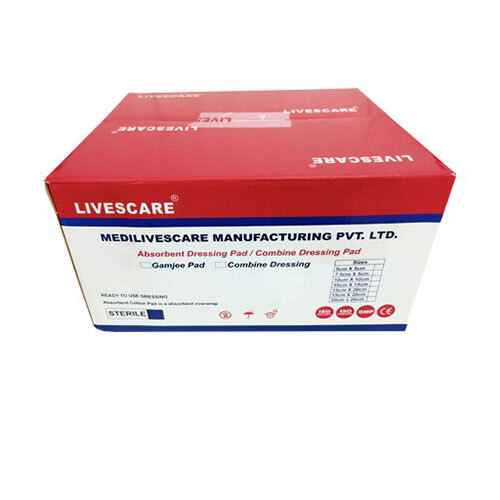
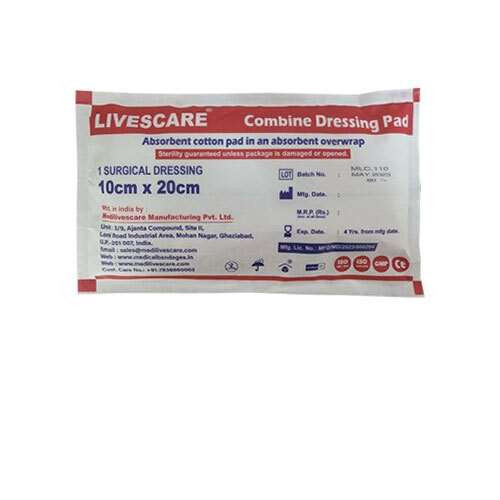
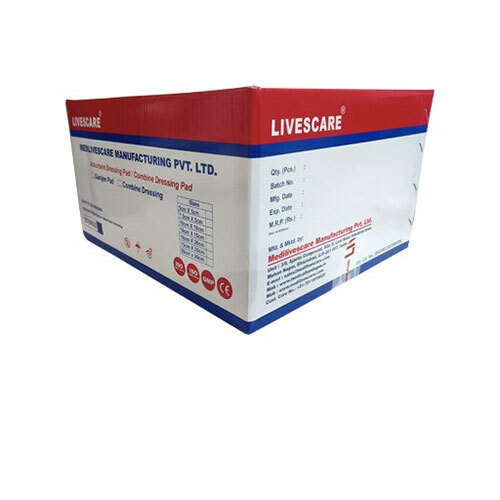
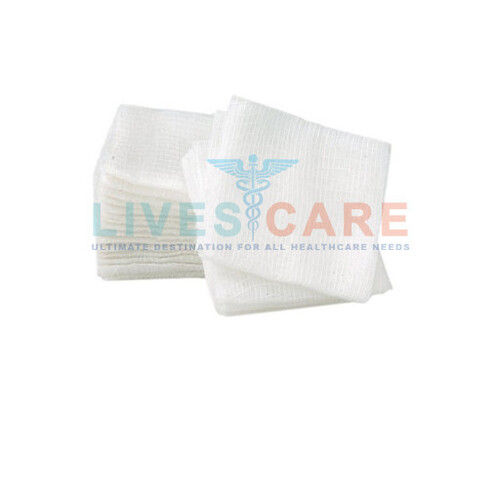
About Combine Dressing Pad
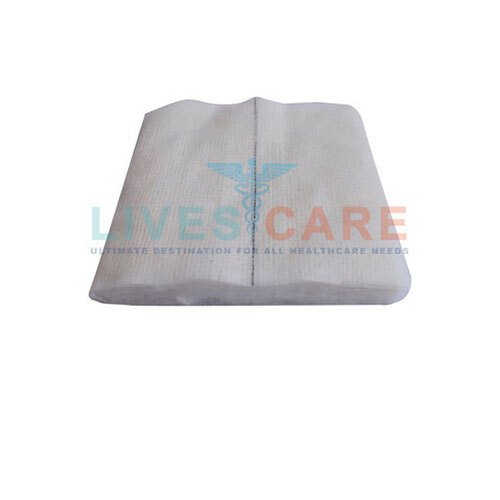
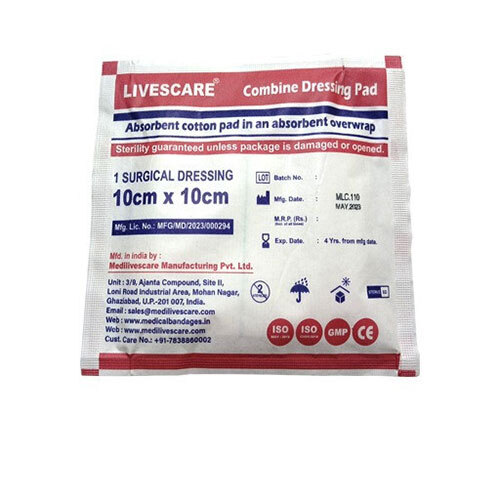
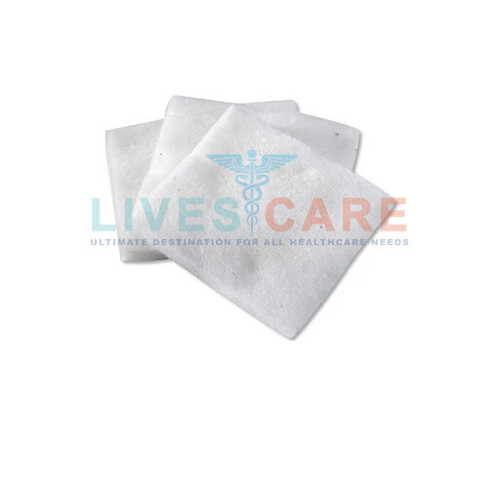
The pad is made of absorbent cotton and overwrapped in an absorbent material.
A combined dressing pad is used where high absorbency is needed to handle heavy drainage, promote healing, and keep wounds dry.
Highly absorbent cotton is used to manufacture these wound care dressings.
Liquid diffuses throughout the combined pad due to the nonwoven facing & highly absorbent cotton filler with rayon fibers.
A hydrophobic backing prevents strikethrough.
Colour : White.
ETO Sterile.
Available sizes:
- 10 cm X 10 cm
- 10 cm X 20 cm
Multi-Layered Absorbent ProtectionOur combine dressing pads feature a multi-layer structure comprising an absorbent cotton core and a gentle non-woven cover. This configuration ensures superior fluid retention, manages exudate effectively, and keeps wounds dry, helping to create an optimal healing environment.
Sterile and Secure PackagingEach pad is individually sealed in a sterile blister pack, providing guaranteed sterility via Gamma or EO sterilization. The sealed packaging supports infection prevention, making these dressings dependable for hospitals, clinics, and emergency kits.
Soft Texture and Safe for Sensitive SkinThe dressing pads are latex-free and manufactured to prevent irritation or allergic reactions. Their soft, gentle texture makes them suitable for use on delicate or highly sensitive wound areas, ensuring comfort throughout the healing process.
FAQ's of Combine Dressing Pad:
Q: How should the combine dressing pad be applied to a wound?
A: First, ensure the wound area is clean and dry. Remove the dressing pad from its sterile blister pack with clean hands or sterile gloves. Place the pad directly on the wound, making sure the absorbent side faces the skin. Secure the pad with a suitable secondary dressing or tape as needed.
Q: What makes these dressing pads highly absorbent?
A: The pads use a multi-layer construction: an absorbent cotton core efficiently retains exudate, while the non-woven cover distributes moisture and keeps the wound environment optimal. This combination allows the pad to handle moderate to high fluid levels effectively.
Q: When is it necessary to change the dressing pad?
A: Change the dressing whenever it becomes saturated with exudate, loses its sterility, or following a healthcare professional's instructions. Typically, frequent changes keep the wound clean and support proper healing, especially in post-surgical or traumatic wounds.
Q: Where can these combine dressing pads be used?
A: These dressings are versatile and suitable for hospitals, clinics, first-aid stations, and home care settings. They are effective for post-surgical wounds, cuts, lacerations, abrasions, and other external injuries requiring sterile, absorbent protection.
Q: What are the benefits of sealed edges on the pads?
A: Sealed edges prevent fiber shedding, reducing the risk of foreign material entering the wound and helping maintain the integrity of the dressing during use. This design enhances safety and cleanliness for the patient.
Q: Is the combine dressing pad safe for people with latex allergies?
A: Yes, the pad is manufactured without latex, making it ideal for individuals with sensitivities or allergies to latex. The pad's soft, hypoallergenic materials further minimize irritation risk.
Q: How should these dressing pads be stored for maximum shelf life?
A: Store the pads in dry conditions with less than 80% relative humidity and a temperature range between 10C and 40C. Adhering to these guidelines preserves sterility and maintains product integrity throughout the 3-year shelf life.




 Send Inquiry
 Send Inquiry

